Blog
One Video Shoot for TV and Social Media
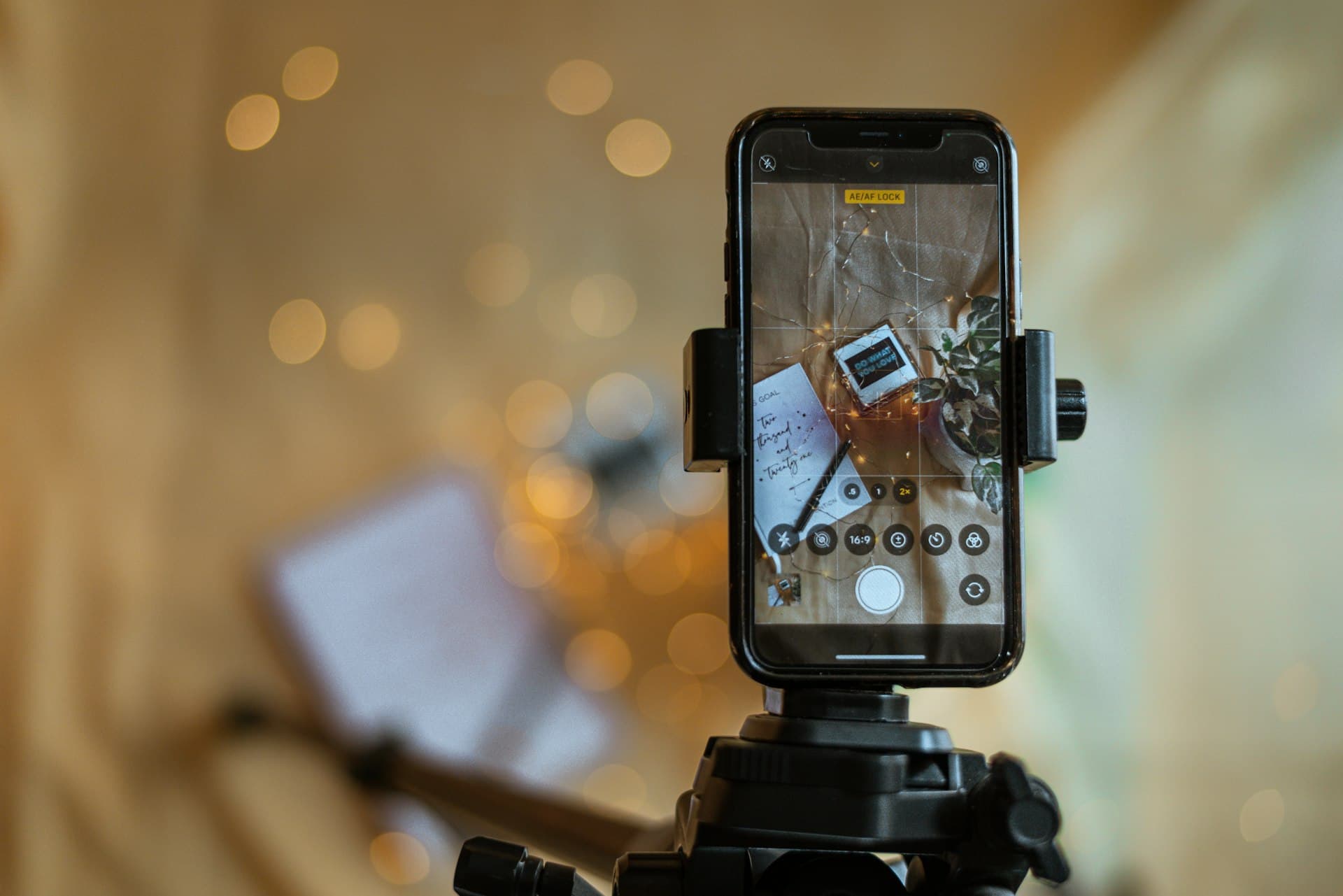
There is no need to film separate videos for television, YouTube, Facebook, Instagram, and TikTok. A single shoot can be planned, with the resulting footage then adapted for each channel. This approach is best described as "one video for television and social media."
The key distinction is important: one shoot does not mean publishing the same file on every channel. Television requires a horizontal image, while TikTok and Instagram need a narrow, vertical frame. The production must therefore be planned from the outset so that the footage can be adapted to several aspect ratios and screens.
The campaign concept and core message remain consistent across all platforms, while the visual format is tailored to each placement. Clients can use the footage both for television broadcasting and social media, receiving a suitable file for every channel.
Commercial video production includes concept development, scriptwriting, shot planning, professional filming, editing, visual effects, and the preparation of files for different channels.
One shoot, several different versions
A video produced for a single campaign can be distributed through the following channels:
- Television
- YouTube
- TikTok
These platforms use different image proportions. The horizontal 16:9 format is standard for television and YouTube. TikTok requires a vertical 9:16 format. Facebook supports a square 1:1 version, while Instagram content can be delivered in 1:1, 9:16, and 4:5 formats.
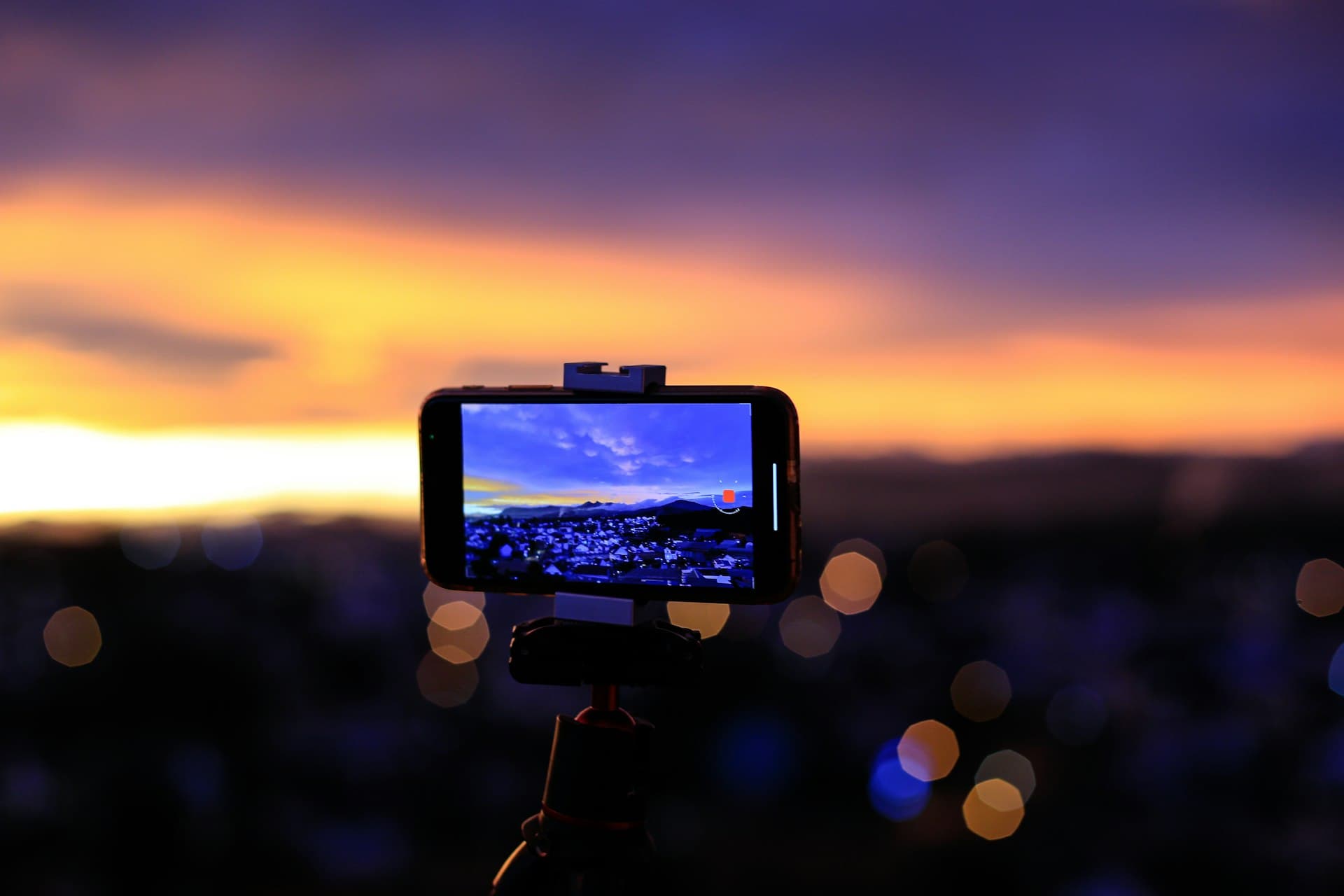
This breakdown helps clients determine in advance which file should be used for each placement. As a result, the horizontal television version is not uploaded where a vertical image is required, and social media content is properly adapted to the relevant screen.
Adapting one video for different channels involves more than simply resizing it. The full environment visible in a horizontal shot may not fit within a vertical layout. The frame boundaries, editing structure, and placement of on-screen text may all need to change. Each final file must be compatible with the screen on which viewers will watch it.
Planning for individual aspect ratios ensures that the product, characters, and text are presented correctly. This keeps the video's core message clear in horizontal, vertical, and square layouts, while ensuring that the main subject is neither lost on a narrow screen nor diluted within a wide image.
Three core formats are provided as standard:
- 16:9 - horizontal version for television and YouTube.
- 9:16 - vertical version for TikTok and Instagram.
- 1:1 - square version for Facebook and Instagram.
Formats supplied for Instagram also include a 4:5 version. This is a vertical layout, but it is less elongated than 9:16.
Format planning begins before the shoot
To produce several complete versions from one shoot, the required aspect ratios must be defined from the start. The process begins with the creative concept: what the video communicates, what the viewer sees, and how the action unfolds.
Planning must account for the fact that frame boundaries or the editing structure may change depending on the platform. However, the video's core message, overall concept, and brand communication should remain consistent.
The script and a detailed shot sequence are then prepared. The development of the action and the likely positions of key subjects are established in advance, allowing the same scene to work within horizontal, vertical, and square frames.
A detailed plan shows the production team which character, product, or action is most important in each scene. This information is essential for creating versions with different aspect ratios from the original footage without losing the main visual in any of them.
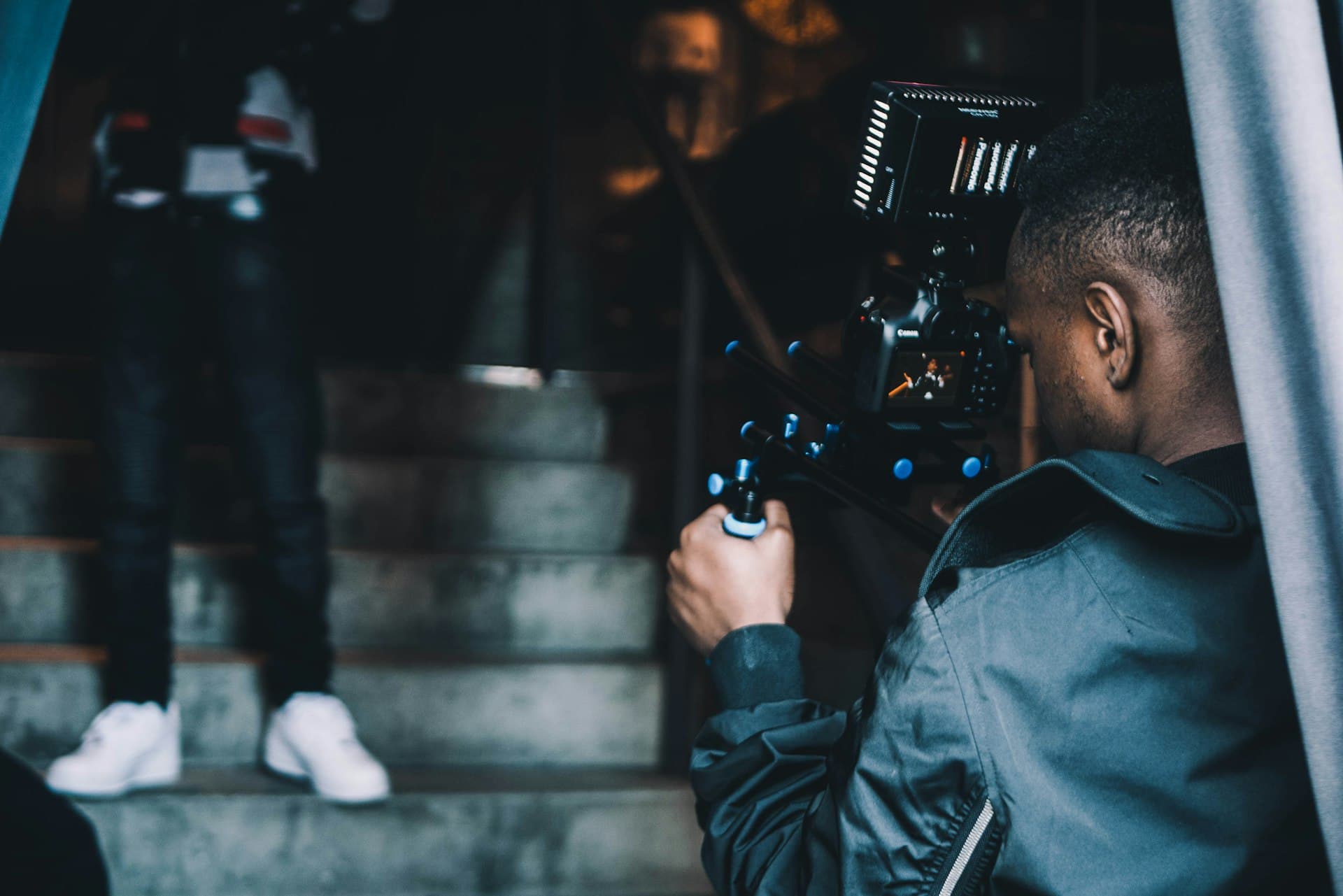
For example, a wide shot may show several people and important parts of the setting. In a vertical format, the available space is reduced on both sides. If the main action takes place only near the edges of the frame, it will be difficult to preserve it in the 9:16 version. This is why the position of the main character, product, or other key subject is planned in advance.
This does not mean that every shot will appear exactly the same in all three formats. Sometimes a scene must be filmed from different angles so that the action remains equally clear in both wide and narrow layouts.
Additional shots make it easier to select the right footage during editing. The horizontal version may benefit from showing more of the environment, while the vertical layout can focus attention on the main character, product, or action. A square frame may require a tighter arrangement of visual elements.
What 4K filming provides
Filming takes place in 4K with professional audio recording. High-resolution source footage makes it easier to prepare final versions in different sizes. During editing, the frame boundaries can be adjusted, part of the image can be enlarged, and the section that presents the main action and important subjects most clearly can be selected for each aspect ratio.
However, 4K cannot replace carefully planned framing. If an important action appears only at the far edge of a horizontal shot, it may not always be possible to preserve it fully in the vertical version. High resolution provides greater flexibility during editing, while the shot plan ensures that the footage contains the key visuals needed for every required aspect ratio.
Professional audio is especially important when recording dialogue, presenter scripts, or an actor's lines. Both the image and sound are processed for the final video. The service includes a music license, editing, and visual effects, ensuring that the commercial prepared for each channel is technically polished and consistent in content.
What files you will receive
The main final file is delivered in 4K Apple ProRes or H.264 format. Distribution versions are supplied for specific channels:
- Instagram - 1:1, 9:16, and 4:5
- Facebook - 1:1
- TikTok - 9:16
- YouTube - 16:9
- Television broadcast - 16:9, 1080i
The main file is separate from the versions adapted for specific placements. The main file preserves the completed production, while versions intended for individual channels are prepared in the relevant aspect ratios.
Organizing files by intended use makes the material easier to manage. When launching the campaign, clients can select a file already optimized for the relevant channel, ensuring that the image retains the correct proportions and that text and important visual elements remain within the visible area.
If the campaign runs across several channels at the same time, this approach eliminates the need to plan a separate video production for every format. The concept, script, production team, and source footage are shared, while the final files vary according to their intended use. The campaign retains a consistent visual language whether viewers see the commercial on a television, computer, or mobile screen.
What the service includes
Commercial video production starts at 1000 GEL. The service includes:
- Creative concept development
- Script and shot plan preparation
- Professional production team
- 4K video and professional audio
- Editing and visual effects
- Music license
- 16:9, 9:16, and 1:1 formats
Filming takes 1-2 days. The delivery deadline for the completed material is 10-14 business days.
This period covers post-production editing, audio processing, visual effects, and the preparation of files in different formats.
Actors can also be cast if required. The studio works with agencies and can organize the selection process. Actors' fees are not included in the base service price and require a separate budget. Contact us with the channels you need, your preferred video length, and your anticipated filming date.