
Blog
How Long Does a Company Video Take
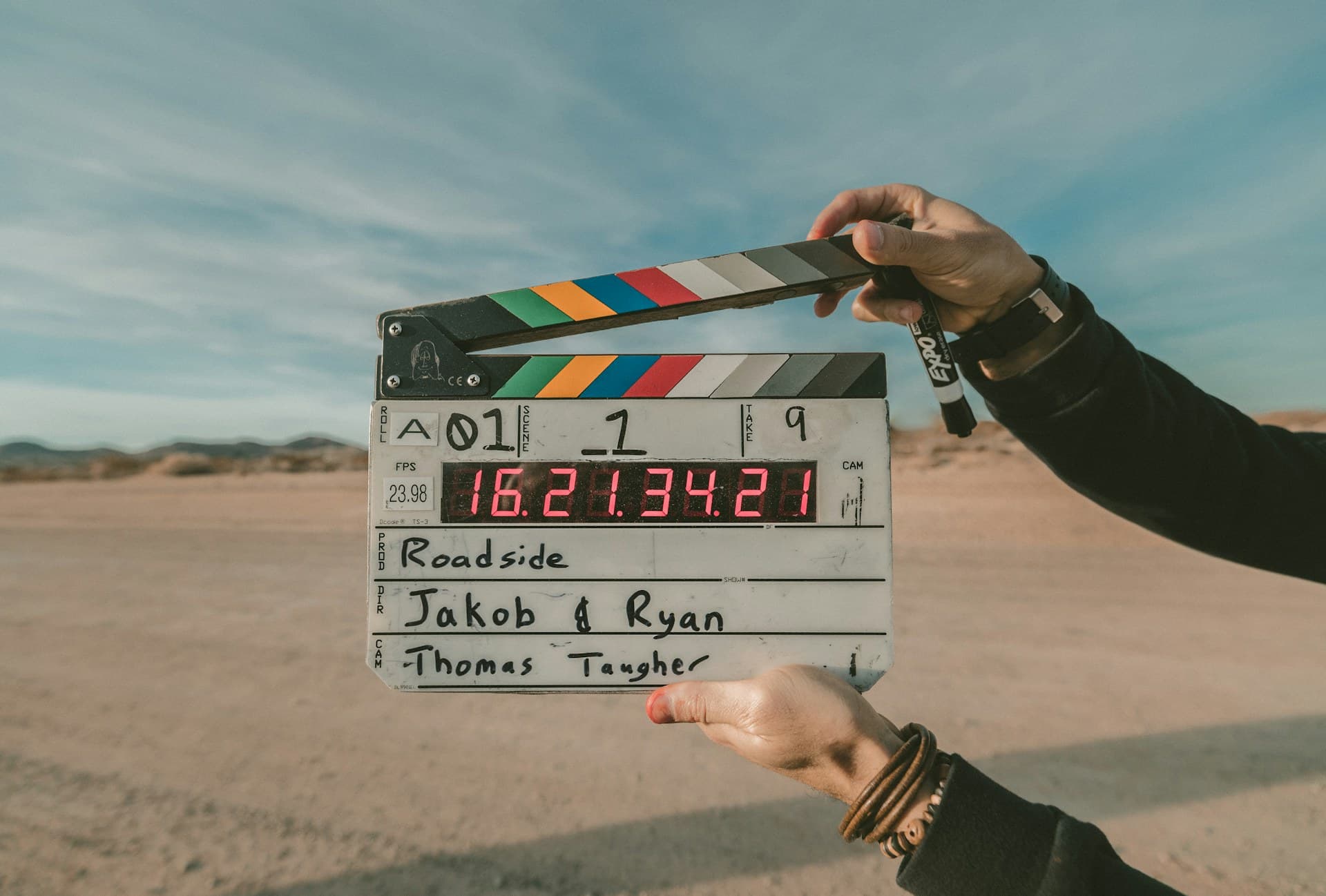
When a company plans a video, the shooting day is what goes into the calendar. That day is the shortest part of the whole process.
The full answer to "how long does a company video take" is four to five weeks on average. The work in front of the camera lasts only one to three days. The rest of the time goes on what happens before the camera arrives and after it leaves.
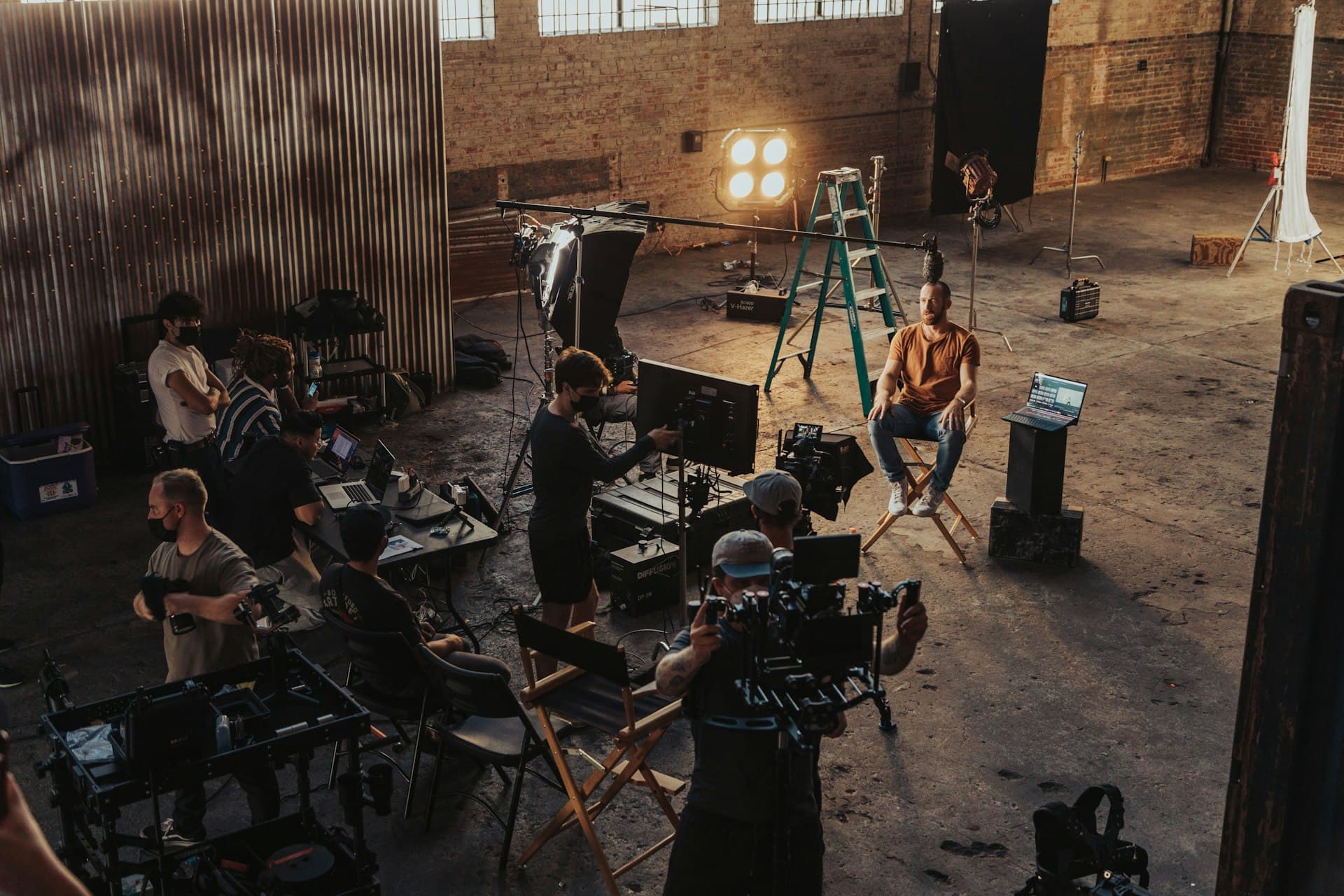
Four to five weeks, three stages, three different tempos
The full cycle splits into three parts, and each runs on a different logic:
- Preparation. Discovery meeting, script, shot sketches, approval.
- Filming. One to three days.
- Post-production. Edit, sound, colour work. Delivery takes 14 to 21 working days.
Two numbers get confused with each other, so it is worth stating separately: 14 to 21 working days is post-production only, not the whole project. Four to five weeks covers all three stages.
The difference is practical. If a company looks only at the delivery window and plans its launch around it, the script and approval weeks never appear in the calendar at all - and that is exactly where the time is lost.
The edit alone takes two to three weeks. Add the shooting days and the preparation, and four to five weeks is already a tight schedule rather than a comfortable one.
The script you do not write
This is the most common misunderstanding. The company waits to be asked for text, we start writing the script, and the first week goes by in mutual waiting.
The process runs like this: at a one-hour discovery meeting we ask the questions, and then our creative team prepares the script and the shot sketches. Both are included in the corporate video package. Your part is approval.
Those sketches are called a storyboard, and it is included too. It shows how each scene will look in frame before the crew goes on location - a comic strip of the film to come. This is the stage where change is cheap: rearranging a shot on a storyboard is a matter of agreement, while reshooting the same frame means another shooting day.
The script is usually refined over two to three rounds. Each round waits on your reply, so the length of this stage depends on how quickly feedback comes back. One decision that arrives three days late pushes everything after it three days later.
That is why it is worth establishing at the first meeting who approves the script. If that is one person, the schedule holds. If it is three people waiting on each other, the stage stretches.
Shooting days
Filming takes one to three days. The exact number is settled in advance, at the script approval stage, when it is already clear how many locations and how many speakers are involved.
On the day, a professional crew arrives with the equipment. The video is recorded in 4K, and the sound is captured separately rather than on the camera. That is what separates a corporate video from footage shot on a phone: the picture may look fine, but if the words are not clearly audible, the video does not work.

The edit and delivery
The final video is two to three minutes. That sounds short until you count how much material it is cut from - three days of filming compresses into two or three minutes, and it is the compression that takes the time.
Post-production holds three independent jobs: the edit, the sound work and the colour work - professionally, colour grading. That last one means making footage shot on different days and under different light look like part of one film rather than clips stitched together. Video editing is not just joining shots - the rhythm, the pauses and the question of where the viewer's attention should settle are all decided here.
The video is finished in 4K. That shows when the film goes on a large screen or a projector: at an exhibition, at a conference, in an office reception. On social media the platform compresses the file anyway, but a frame compressed from 4K still looks better than one shot at a low resolution to begin with.
The music licence is included in the package. That detail sounds dull until the video is uploaded to social media: a licensed track exists precisely so that the music rights are settled in advance.
What the first meeting settles
Two things are settled at the discovery meeting, and both affect the whole schedule.
First, what kind of video it is. For the same company these are entirely different films:
- About Us - an introduction to the company for the website.
- Recruitment - a "why work with us" video for potential employees.
- Investor pitch - a presentation for investors.
- Internal communication - a video for the team.
Second, the schedule. This is where your date enters the calendar: the day the video has to be ready, and the point we count back from.
The type of video changes more than the content. A video aimed at investors asks different people to appear on camera than a recruitment video does, and that feeds directly into how many shooting days are needed and whose calendar has to be arranged.
How long a company video takes when the date is already fixed
If the publication day is already set, it should be said at the first meeting rather than in the third week. The schedule is then built backwards from that date and each stage is given its own window.
Four to five weeks is an average, not a guarantee. It assumes approvals come back on time, the people involved are free on the agreed days, and the locations are arranged in advance. If any of those change, the timeline changes with them - which is why it is better to hold some slack in the plan than to count on the final day.
A corporate video starts from 1200 GEL. If you also need a commercial, that is worth saying at the first meeting too - once the script is approved, rearranging the schedule is much harder.